Introduction:
Catering Menu Cape Town: Organizing an event in the vibrant city of Cape Town is an exciting endeavor and one key element that can make or break the experience for your guests is the menu. From the rich cultural diversity to the abundance of fresh, locally sourced ingredients, Cape Town offers a plethora of options for crafting a memorable culinary experience. In this guide, we will explore the factors to consider when selecting the perfect menu for your event in Cape Town, ensuring a gastronomic journey that complements the unique charm of this South African gem. More info at Catering Menu Cape Town.
1. Understand Your Audience:
Before diving into menu options, it’s crucial to understand the preferences and dietary restrictions of your guests. Cape Town is a melting pot of cultures and your attendees may have diverse tastes and dietary requirements. Consider conducting a survey or seeking feedback to ensure your menu caters to various preferences, including vegetarian, vegan and gluten-free options.

2. Embrace Local Flavors:
Cape Town is renowned for its rich culinary heritage, influenced by a fusion of African, Dutch, Malaysian and Indian flavors. Incorporating local ingredients and traditional dishes into your menu adds an authentic touch to the dining experience. From bobotie to biltong, explore the diverse array of local delicacies that showcase the city’s culinary identity.
3. Seasonal and Fresh Ingredients:
Cape Town’s proximity to fertile lands and the ocean provides access to a bounty of fresh, seasonal ingredients. Opt for a menu that highlights the best produce available during the time of your event. Not only does this guarantee optimal flavor, but it also supports local farmers and promotes sustainability.
4. Consider the Venue:
The venue plays a significant role in shaping the menu. Whether you’re hosting your event against the backdrop of Table Mountain or in a chic urban setting, the venue’s ambiance should complement the culinary experience. Outdoor venues might lend themselves to a casual braai (barbecue) with local meats, while indoor spaces may be more suited for a sophisticated plated dinner.

5. Interactive Food Stations:
To add an element of excitement to your event, consider incorporating interactive food stations. Cape Town’s culinary scene embraces creativity and interactive stations allow guests to customize their dishes. From build-your-own boerewors rolls to craft-your-own Cape Malay curry bowls, this approach engages guests and provides a memorable experience.
6. Wine and Beverage Pairing:
Cape Town is synonymous with exceptional wines and incorporating local wines into your menu enhances the overall dining experience. Work with a sommelier to curate a selection of wines that complements the chosen dishes. Additionally, explore craft breweries and artisanal beverage options to showcase the region’s diverse drink offerings.
7. Testimonials and Reviews:
Researching the reputations of local catering services and chefs is essential. Reading testimonials and reviews from previous events they have catered can provide valuable insights into the quality of their food, service and overall experience. Don’t hesitate to ask for references and sample menus before making a decision.
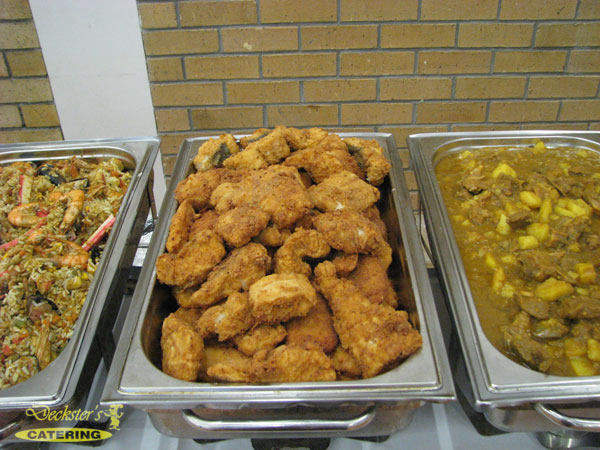
Culinary Experiences at Events: Catering Menu Cape Town
Food has an extraordinary ability to transcend cultural boundaries, spark conversations and create lasting memories. At any event, whether it’s a family gathering, a corporate function or a community celebration, the role of food extends far beyond mere sustenance. We will explore the profound impact that well-curated culinary experiences can have on bringing people together, fostering connections and building a sense of community.
1. Cultural Bridges:
One of the most remarkable aspects of food is its ability to serve as a bridge between cultures. Events often bring together individuals from diverse backgrounds and a thoughtfully crafted menu can showcase the richness of cultural diversity. By offering a variety of dishes that represent different cuisines, attendees have the opportunity to explore and appreciate the unique flavors and traditions of others.
2. Shared Experiences:
Breaking bread together is a universal symbol of unity. Sharing a meal creates a shared experience that goes beyond the act of eating. Whether it’s passing around platters of appetizers, enjoying a buffet-style feast or savoring a multi-course meal, the communal nature of dining fosters a sense of togetherness. This shared experience becomes a collective memory, creating a bond among attendees that extends beyond the duration of the event.
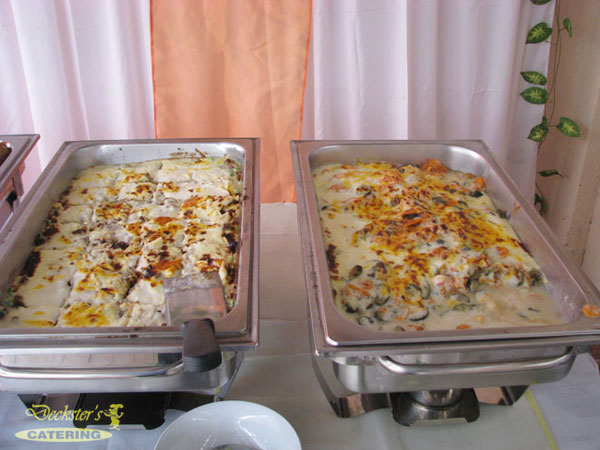
3. Ice Breaker and Conversation Starter:
Food acts as a natural ice breaker, providing a comfortable and familiar topic for conversation. A strategically designed food layout, such as interactive food stations or communal dining setups, encourages guests to engage with each other. Conversations sparked by the aroma of a dish or the delight in tasting a new flavor contribute to a convivial atmosphere, making it easier for people to connect on a personal level.
4. Celebration of Diversity:
Events often bring together individuals with different tastes, preferences and dietary restrictions. A well-thought-out menu that considers diverse palates ensures that everyone can find something to enjoy. Including vegetarian, vegan and gluten-free options not only caters to specific dietary needs but also sends a message of inclusivity, creating an environment where everyone feels valued and welcome. Catering menu Cape Town: We’ve got you covered!
5. Culinary Exploration:
Food has the power to ignite curiosity and a sense of adventure. Events provide an opportunity to introduce attendees to new and exotic flavors, expanding their culinary horizons. Whether it’s incorporating international cuisines, fusion dishes or trendy gastronomic experiences, the exploration of diverse foods becomes a shared adventure that encourages openness and a willingness to embrace the unfamiliar.

6. Team Building in Corporate Settings:
In corporate events, the role of food goes beyond satisfying hunger. Team-building activities centered around cooking or dining together create a collaborative atmosphere. Employees can bond over the shared experience of preparing a meal or navigating a diverse buffet, fostering a sense of camaraderie that translates into improved teamwork and communication in the workplace.
7. Building Lasting Memories:
Food has the ability to evoke emotions and anchor memories. The taste, aroma and presentation of dishes at an event become integral parts of the overall experience. Guests are more likely to remember an event where they enjoyed exceptional food, associating the positive emotions of the gathering with the flavors they experienced. These memories contribute to a sense of nostalgia that strengthens the connections formed during the event.
In the tapestry of human experience, food emerges as a powerful thread that weaves people together. Events become more than just gatherings; they transform into opportunities for shared exploration, cultural exchange and the building of connections that transcend boundaries.
The careful consideration of food in event planning is not just about meeting basic needs but about creating an environment where people can truly come together, savor the moment and leave with a sense of community that extends far beyond the dining table.
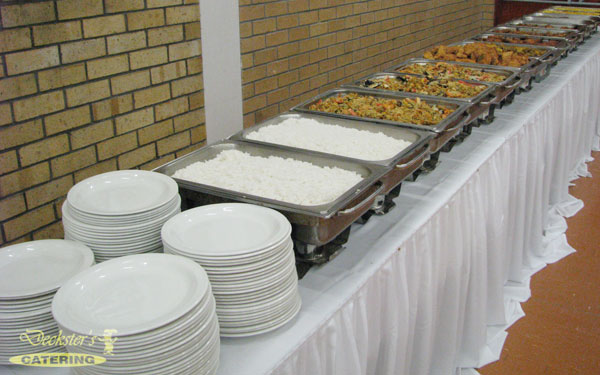
Strategic Budget Planning
Organizing an event is a multifaceted endeavor and one of the critical components that can significantly impact its success is the food menu. However, the selection of a menu must be approached with a keen eye on budget planning, particularly when considering the number of guests. In this comprehensive guide, we will delve into the importance of strategic budget planning and how tailoring your food menu based on the number of attendees can ensure a delightful culinary experience without breaking the bank.
1. Understanding the Financial Landscape:
Before diving into the world of gastronomic delights, it’s imperative to have a clear understanding of the financial landscape. Establishing a realistic budget for your event sets the foundation for all subsequent decisions and food is a substantial part of that expenditure. Knowing your financial constraints allows you to make informed choices that align with your resources while still delivering a memorable dining experience.
2. Guest Count and Scaling:
The number of guests at your event is a pivotal factor that directly influences the budget for the food menu. Scaling the menu appropriately to accommodate the number of attendees ensures that you strike a balance between variety and cost-effectiveness. A larger guest count may necessitate more cost-efficient options, such as buffet-style service or strategically designed menu packages that cater to a broad range of tastes.
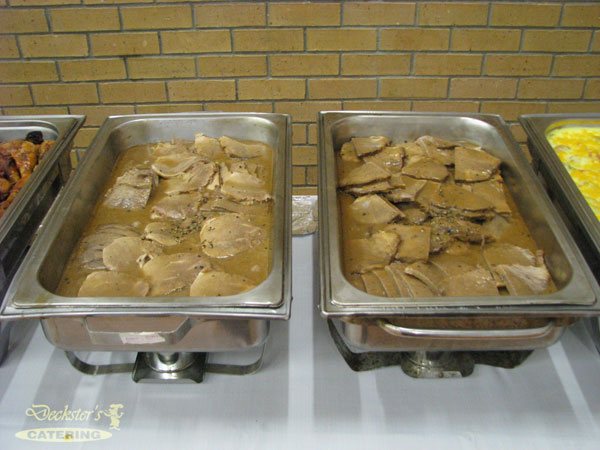
3. Prioritizing Key Elements:
Catering Menu Cape Town: Not all elements of a menu carry equal weight in terms of cost. By identifying key components that are essential to your event’s theme or culinary vision, you can allocate a larger portion of your budget to these highlights. This approach allows you to maintain quality where it matters most while finding cost-effective alternatives for other elements.
4. Flexible Menu Options:
Crafting a menu that offers flexibility allows you to adapt to changes in the guest count without compromising quality. For instance, a menu with interchangeable components or the ability to add or subtract dishes based on RSVP responses provides the versatility needed to accommodate varying numbers of attendees without incurring unnecessary expenses.
5. Economies of Scale:
Leveraging the principle of economies of scale is a powerful strategy in budget planning. Many catering services offer discounted rates for larger quantities, making it more cost-effective to serve a greater number of guests. Negotiating with vendors and exploring bulk purchasing options can help you maximize the value of your budget.
6. Customization and Personalization:
While working within budget constraints, don’t underestimate the impact of customization. Tailoring the menu to reflect the preferences and dietary requirements of your guests ensures that every dollar spent contributes to a positive and memorable dining experience. This personalized touch adds value without necessarily increasing costs.
7. Transparent Communication with Vendors:
Catering Menu Cape Town: Open and transparent communication with food vendors is key to successful budget planning. Clearly articulating your budget constraints and expectations enables vendors to propose suitable options that align with your financial parameters. Collaborating closely with vendors also allows for creative solutions that meet both your budgetary needs and culinary aspirations.
In the intricate dance of event planning, strategic budget planning is the conductor that orchestrates a harmonious and successful celebration. When it comes to selecting a food menu, the number of guests serves as a compass guiding your choices.
By understanding the financial landscape, scaling the menu appropriately, prioritizing key elements, offering flexibility, leveraging economies of scale, incorporating customization and maintaining transparent communication with vendors, you can curate a culinary experience that not only delights the taste buds but also aligns seamlessly with your budgetary constraints.
In the delicate balance between financial responsibility and culinary excellence, strategic budget planning emerges as the linchpin for a successful and satisfying event.
Conclusion: Catering Menu Cape Town
Selecting the perfect Catering menu Cape Town requires a thoughtful blend of local flavors, consideration for diverse preferences and an understanding of the unique cultural tapestry that defines the city. By embracing the abundance of fresh, seasonal ingredients and collaborating with local culinary experts, you can create a dining experience that leaves a lasting impression on your guests, making your event in Cape Town truly unforgettable.